UpValley Family Centers grapples with funding freeze
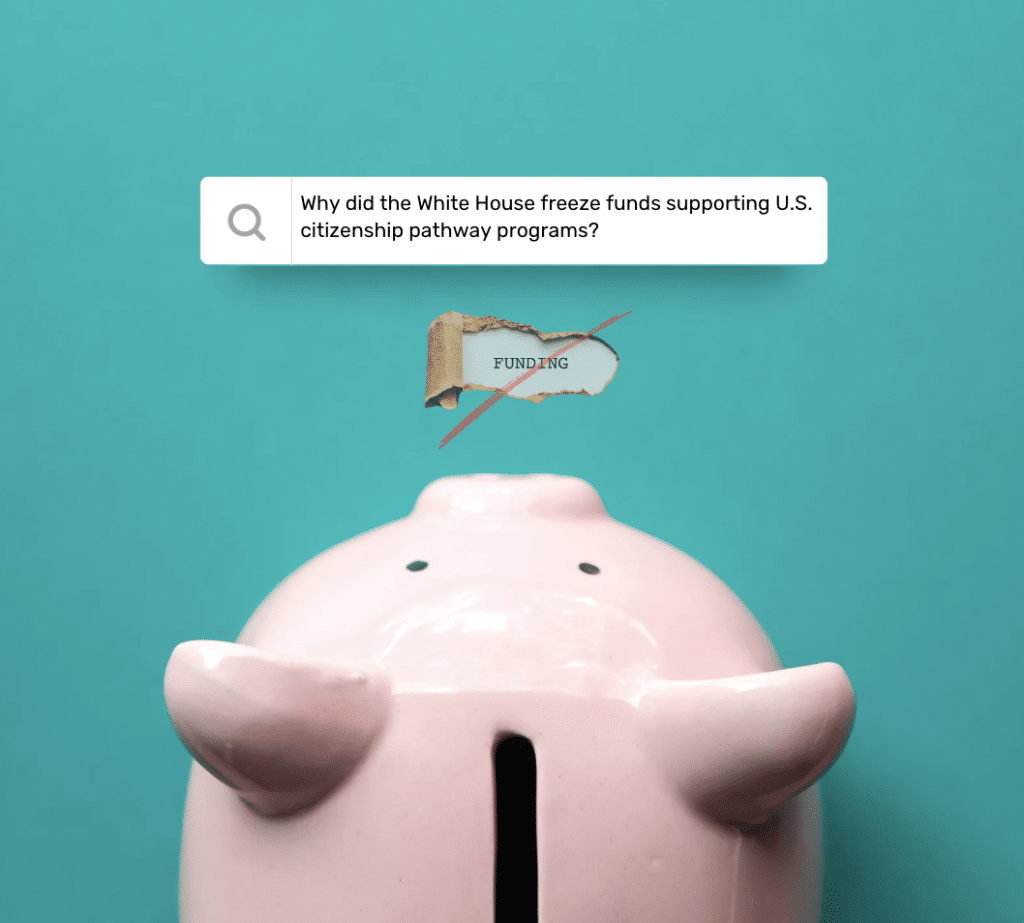
Funding to UpValley Family Centers that supports pathways to U.S. citizenship was abruptly halted last month after U.S. Citizenship and Immigration Services (USCIS) notified the nonprofit that its approved funds had been frozen, with no timeline for a resolution.
UpValley Family Centers is one of several organizations in California that assists immigrants, helping lawful permanent residents attain U.S. citizenship. The organization now faces a $107,000 gap including unpaid invoiced services.
The federal funding supports classes that include English, government and U.S. history offered by UpValley Family Centers in collaboration with Napa Valley Adult Education.
A five-sentence letter sent on Feb. 4 to the Calistoga-based organization on behalf of Trump-appointed Homeland Security Secretary Kristi Noem, read, in part, “Payments are not available at this time. We recognize that this will have an impact on your organization.”
“I was deeply concerned to learn of the freeze to our program, which happened in tandem with the widespread funding freeze of so many other grants and contracts across the country,” said Jenny Ocon, executive director of UpValley Family Centers. “These are grants that had been previously authorized and funded by Congress.”
Inquiries to grant officers from UpValley Family Centers’ staff have gone unanswered, and a previously scheduled grant-monitoring site visit was also cancelled, Ocon told Napa Valley News Group. Ocon said she was shocked, not only by the freeze, but how it happened.
“It was done mid-cycle with no explanation, no justification and no direct communication from our program officers.”
As a grantee of the Department of Homeland Security’s Citizenship and Integration Grant, UpValley Family Centers was set to receive $179,000 in federal funding from USCIS, scheduled to be distributed from October 2023 to September of this year. The funding supports naturalization application services and other comprehensive citizenship pathway programs.
On March 7, Democratic members of Congress sent a letter to USCIS Acting Director Kika Scott and Noem requesting an explanation for the funding freeze.
Part of the letter read: “Since 2009, this program has been instrumental in supporting eligible lawful permanent residents on their path to U.S. citizenship. By funding organizations that provide assistance with the U.S. citizenship application process, English language instruction, and civics education, the program has significantly increased community capacity to help aspiring citizens gain the knowledge and resources necessary to navigate the naturalization process successfully.”
Despite funding being frozen with no timeline or details given, UpValley Family Centers has decided to continue offering naturalization application assistance and citizenship classes. The freeze on funding does not prohibit them from continuing such work; it simply means that they are not currently being reimbursed for it.
“This situation highlights why general operating support is so critical,” Ocon explained. “It allows us to maintain a continuity of service when funding disruptions occur to ensure that essential services remain available to the community.”
Noem has publicly stated that the department has “stopped all grant funding to nonprofits that operate outside of government control,” saying they have been “perverted into a shadow government that feeds illegal immigration.”
However, Ocon said, “Such rhetoric misrepresents the reality of our work and puts up additional barriers for people who are simply trying to complete a lawful, complicated process.”
The goal of the Citizenship and Integration Grant is to expand access to quality citizenship preparation for lawful permanent residents nationwide, equipping immigrants with the knowledge and skills to integrate into American society, Ocon said.
The federal grant would have funded citizenship support for more than 100 eligible individuals.
UpValley Family Centers accepts unrestricted donations and general operating support year-round, allowing them to adapt and fill gaps when restricted funding is cut, delayed or falls short.
The Department of Homeland Security did not respond to a request for comment.