Napa County Master Gardeners: Fall Faire set for Sept. 20 celebrates the harvest
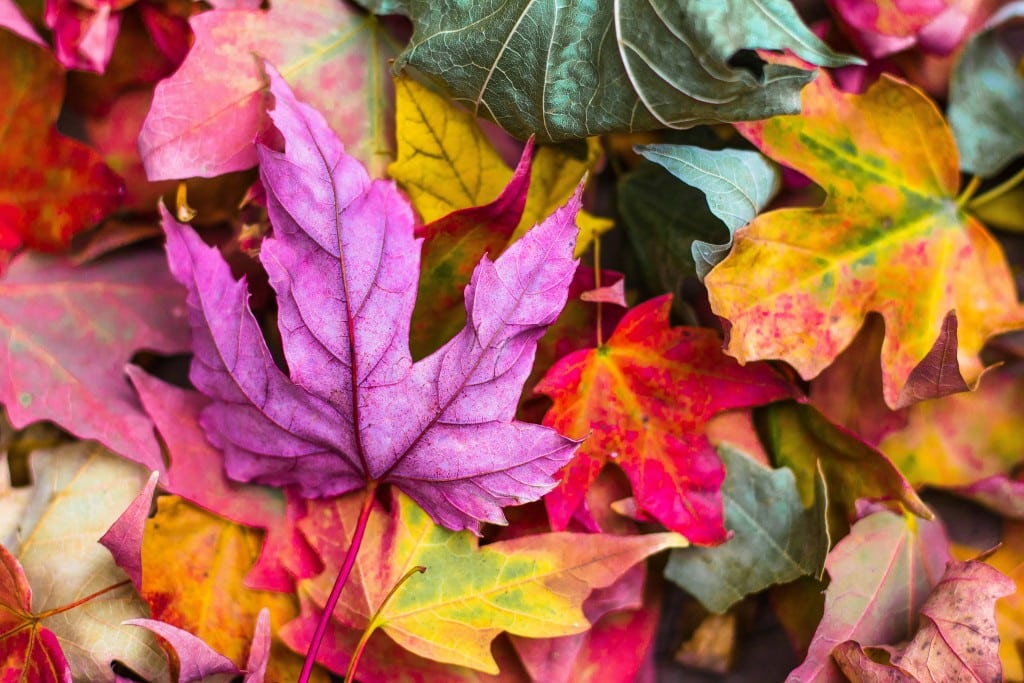
As the days shorten and we softly close the door on summer, it’s time to enjoy the bounty of our harvest. Master Gardeners celebrate by holding a festival called the Fall Faire.
This event, rooted in the tradition of harvest and community gathering, follows our mission as Master Gardeners to teach scientifically proven gardening practices, pest management that advocates starting at the least harmful method first, and our place in the natural world. The Fall Faire delivers all three of these ideas in a friendly, visually interesting way with booths set up in a festive surrounding.
Did you know that most plants have flowers with both male and female parts? Stand by as a Master Gardener at the Botany Booth dissects a flower, showing the anthers and filaments that make up the stamen, or male parts of the flower, and the stigmas, styles, ovaries and seeds that make up the female parts. Of course, there are plants where male and female flowers grow on separate plants. An example of this is holly. To produce berries, a female holly plant needs to be pollinated by a nearby male holly plant.
Roses are an abiding favorite among gardeners. Have you been thinking of adding some roses to your garden, but not sure what kind? Maybe you have heard that popular hybrid tea roses are fussy and high maintenance. Master Gardeners at the Rose booth can tell you if this reputation is deserved or not. Maybe a different type of rose would better suit your needs. Floribunda, grandiflora, shrub, climbing and miniature roses are alternatives. They all have different growth habits, flower size and arrangement, and overall look. Learn more about all of these types at the Fall Faire Rose Booth.
If you found insects that look like little black alligators with orange markings all over your plants, would your first reaction be to throw up your hands and say “Eek!” Or would you ask a Master Gardener, who would tell you that you are lucky to have lady beetle larvae on your plant. Ladybug larvae are voracious eaters, consuming approximately 400 aphids during their larval stage before pupating. Adult ladybugs eat about 50 aphids per day.
If you found a beetle that looked like a lady beetle, only with a greenish color, you would not be so lucky. This insect would likely be a cucumber beetle. They wreak havoc on cucumbers and squash, including pumpkins. They can effectively eliminate fruit set by eating the blossoms, and they can transmit bacterial wilt, a disease that will quickly kill plants. Visit the Good Bugs, Bad Bugs Booth at the Fall Faire and learn the difference between the good guys and the bad guys.
Unfortunately, autumn has become a worrisome time in Napa Valley due to the potential for wildfires. Insurance companies are cracking down on homeowners, setting new restrictions for vegetation around dwellings. To be firesafe, the perimeter of your home should have a five-foot buffer with no plants at all. There are other fire-mitigation strategies, such as installing air-intake vents that melt shut when subjected to high heat, blocking fire from entering a home. An expert from the University of California will be on hand at the Firewise Science: Resilient Landscapes Booth at the Fall Faire to share new rules and ideas.
The definition of healthy soil goes beyond how well it nurtures plants. Soils that are rich in organic matter act as carbon sinks, removing carbon from the atmosphere and reducing greenhouse gases. Expert Master Gardeners at the Fall Faire’s Healthy Soils/Climate Smart Booth will have demonstrations and information on improving water retention and increasing resilience to extreme weather. Learn how no-till gardening allows beneficial soil microorganisms to do their job.
Look around your yard. Are you growing pampas grass or maybe scotch broom? Both of these are troublesome examples of invasive plants. Both can displace native plants, reduce biodiversity and create fire hazards due to the accumulation of dry vegetation. At the Invasive Species Booth at the Fall Faire, learn about these and other invasive plants that may look lovely and innocent but aren’t. Despite efforts to discourage nurseries from stocking these plants, many nurseries still sell them and you may be tempted to plant them unwittingly.
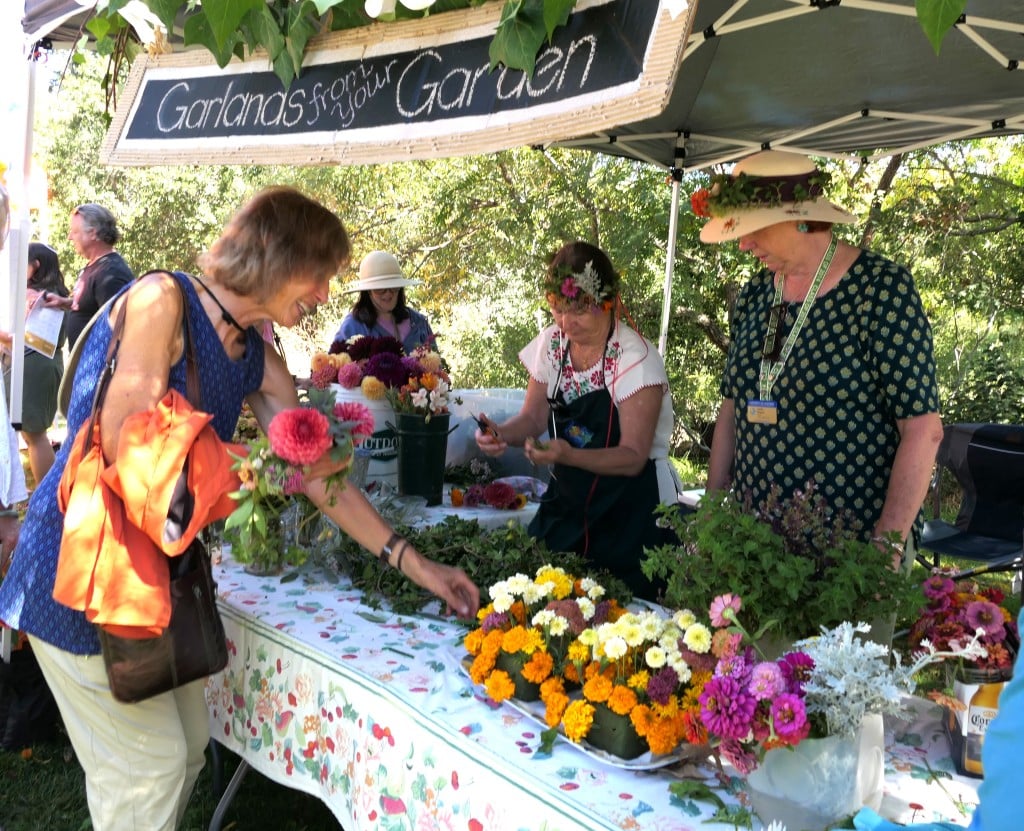
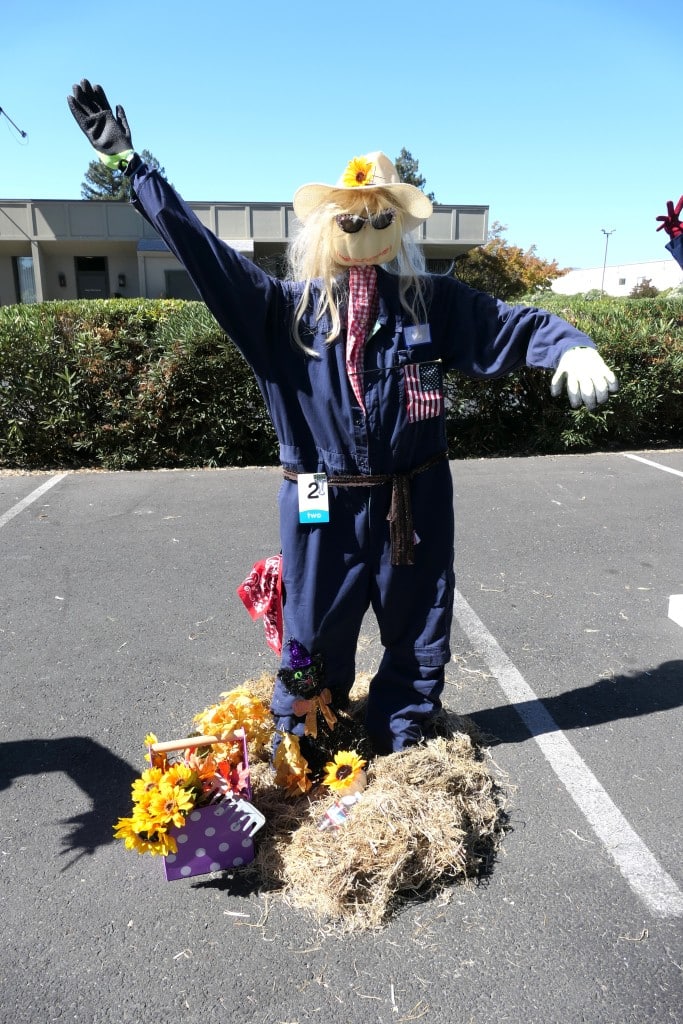
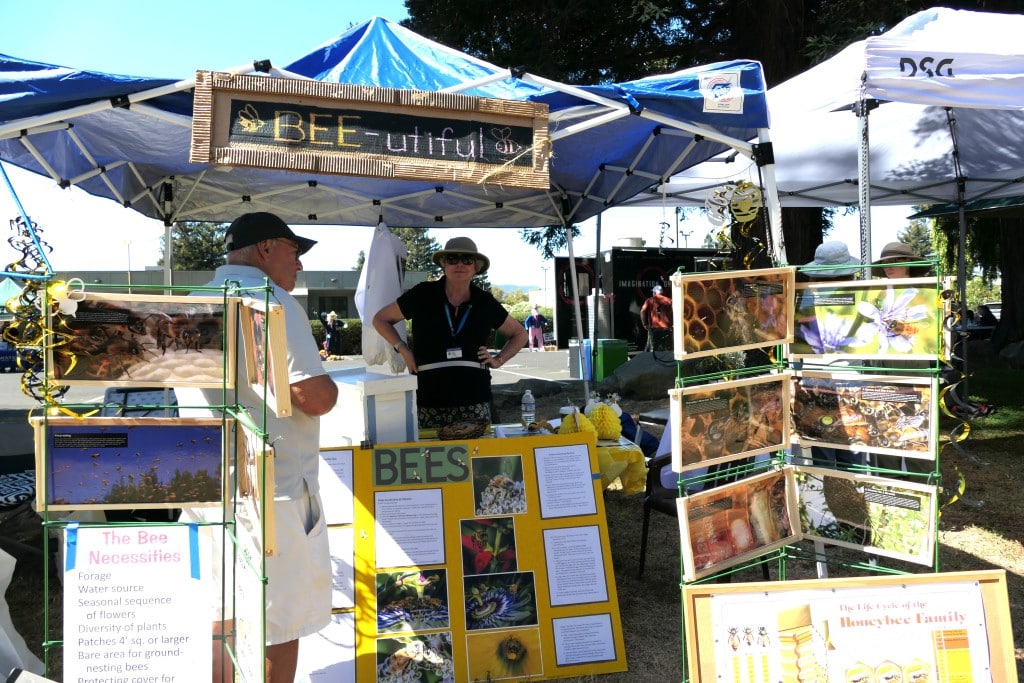
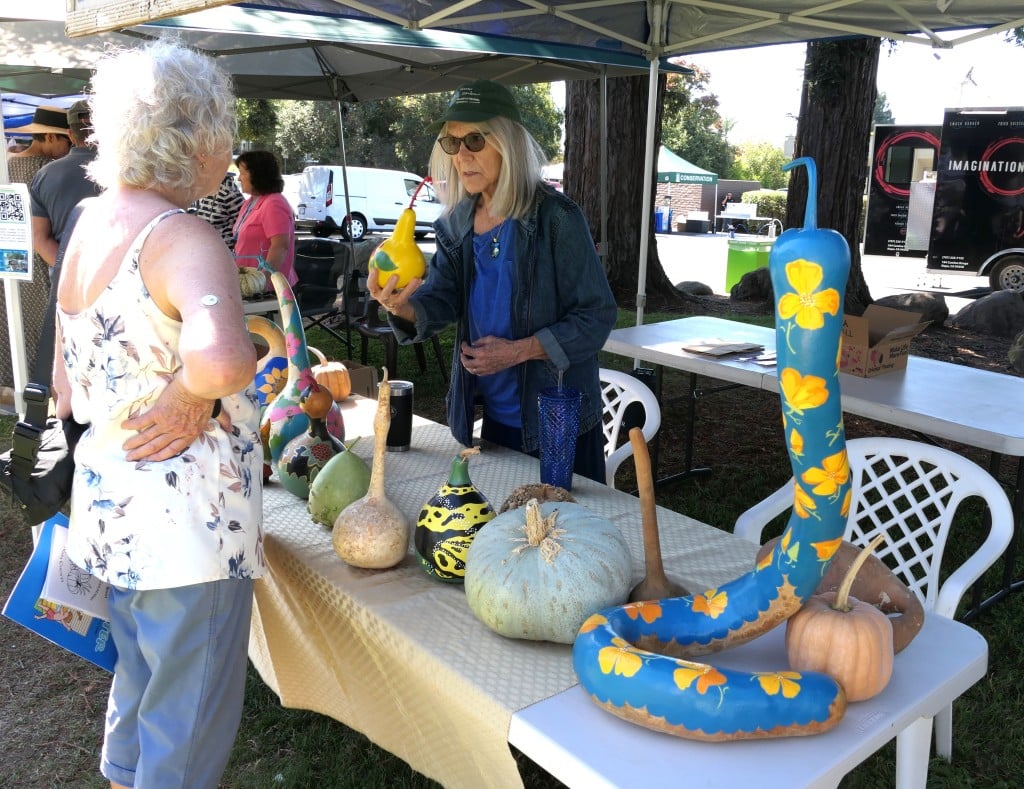
Several booths at the Fall Faire integrate scientific principals in an artful way, creating dazzling displays and beautiful giveaways. Children should pick up a passport at the Information Booth and have their passport stamped as they visit each booth and the kids’ area. Be sure to stroll along Scarecrow Row and vote for your favorite. Community partners will join Master Gardeners at the Fall Faire to keep you up to date about their work.
Fall is the best time for planting. The extreme heat is over, and new plants can get established before the temperature drops. Their roots appreciate the warm soil and can get a foothold before winter sets in.
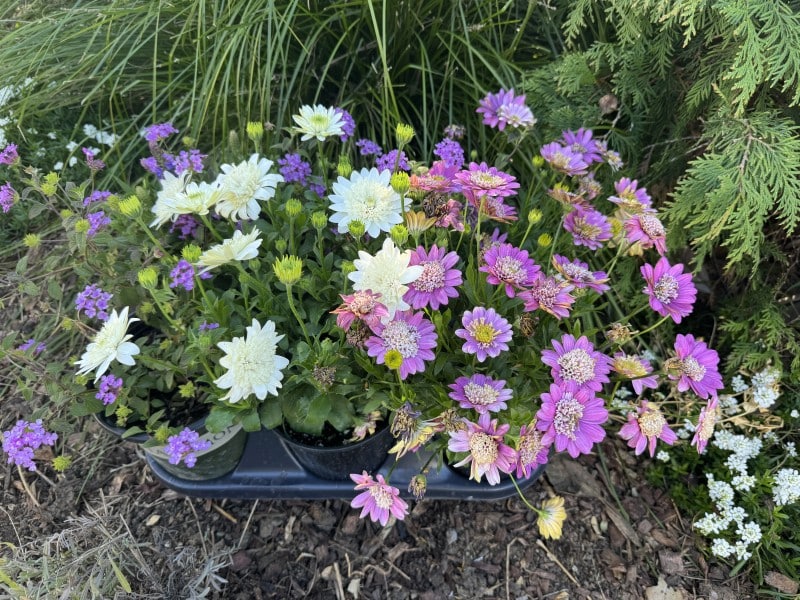
Master Gardeners will be holding a plant sale at the Fall Faire with over 65 varieties of ornamental plants and seven winter vegetable varieties, including broccoli, cauliflower and kale. All of these veggies improve in flavor when kissed by frost. You’ll also find beautiful succulent bowls created by Master Gardeners, ready to adopt or to gift.
Fall Faire: Join UC Master Gardeners of Napa County for the annual Fall Faire, “where science fair meets carnival,” on Saturday, Sept. 20, from 1 to 4 p.m., at UC Cooperative Extension, 1710 Soscol Ave., Napa. Enjoy kid-friendly demonstrations and talks range from dehydrating produce to designing a pollinator-friendly garden, along with plenty of gardening advice. A plant sale will feature ornamental plants and seven varieties of winter vegetables, with all proceeds supporting Master Gardener programs. Event entry is free.
Become a Master Gardener Volunteer: UC Master Gardeners of Napa County is now accepting applications for the Class of 2026. Visit napamg.ucanr.edu for more information and register to attend a mandatory information session for applicants. Applications are due by 5 p.m. on Sept. 25.
Help Desk: The Master Gardener Help Desk is available to answer your garden questions on Mondays and Fridays from 10 a.m. until 1 p.m. at the UC Cooperative Extension Office, 1710 Soscol Ave., Suite 4, Napa. Or send your questions to mastergardeners@countyofnapa.org. Include your name, address, phone number and a brief description of the problem.