Documentary shines light on Chinese immigrants who helped build Napa Valley
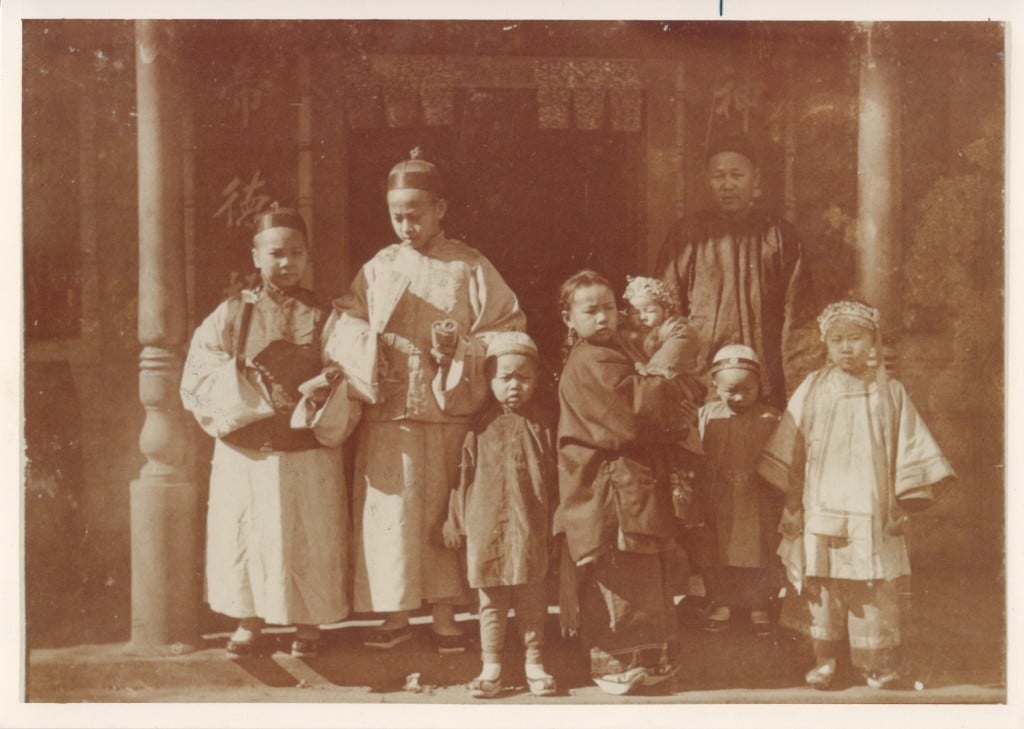
Chinese immigrants arrived in the Napa Valley in the mid-1800s to work in the vineyards, tanneries, hop fields and nearby mines. They also worked as domestic servants and laborers.
Yet their contribution to the development of the Napa Valley has been largely forgotten. The Chinatowns they built in Calistoga, Napa and St. Helena have disappeared.
A new documentary sponsored by the Napa County Historical Society is trying to change that narrative. Based on the 2023 book “Chinese in Napa Valley – The forgotten community that built wine country,” the documentary highlights the Chinese community’s contribution to the development of the Napa Valley, primarily between 1870 and 1900.
As millions welcome the Year of the Horse, “Chinese in the Napa Valley” is being shown at sold-out screenings in the valley from Calistoga to American Canyon.
John McCormick, the author of “Chinese in Napa Valley,” said the response is “extremely gratifying.”
“I just love the story and how it exemplifies the hard work so many have done to make America successful,” McCormick recently said. “Now, more than ever, it is important to remember what makes America special; it is how people from all over the world came to our shores searching for a better life.”
The documentary project began with a $10,000 anonymous donation to the Napa Historical Society, given shortly after the book came out in 2023.
It is a story of immigrant resilience despite racist beliefs and discriminatory laws such the Exclusion Act of 1882, which prohibited Chinese laborers from immigrating to the United States.
McCormick, 59, grew up in Napa and graduated from Vintage High School. He later studied engineering and worked in the computer industry for three decades before retiring early at age 50. McCormick now owns a music store with his wife in Lafayette, where he also serves as vice mayor.
McCormick, who had always wanted to study history, earned a master’s degree from Harvard University in 2021.
A class in US-China relations led him to investigate the history of the Chinese community in the Napa Valley.
At school, he had studied the contributions of Native Americans and immigrant groups. The Chinese, he said, were not mentioned.
McCormick started digging. There were few books on the subject. As he dug, he learned about the role early Chinese immigrants played not only in the vineyards but also in other industries in the Napa Valley.
He eventually decided to write his master’s thesis on the early wave of Chinese immigrants in the Napa Valley. He did so, just as anti-Chinese sentiments bubbled through the United States when COVID-19 hit.
In the documentary, McCormick said he wanted to do something to counter that narrative. Jeff Hamilton, who filmed the 50-plus minute documentary said editing more than 3 ½ hours of content was the most difficult aspect of the project. The stories were so rich, he said.
Vintner Hugh Davies was among the people who appear in “Chinese in the Napa Valley.”
Davies said Chinese laborers dug wine caves at Schramsberg Vineyards on Diamond Mountain. They also held other jobs at Schramsberg, including caring for the animals. Davies, who grew up at Schramsberg which his parents purchased in 1965, said a building on the property was known as the Chinese bunkhouse.
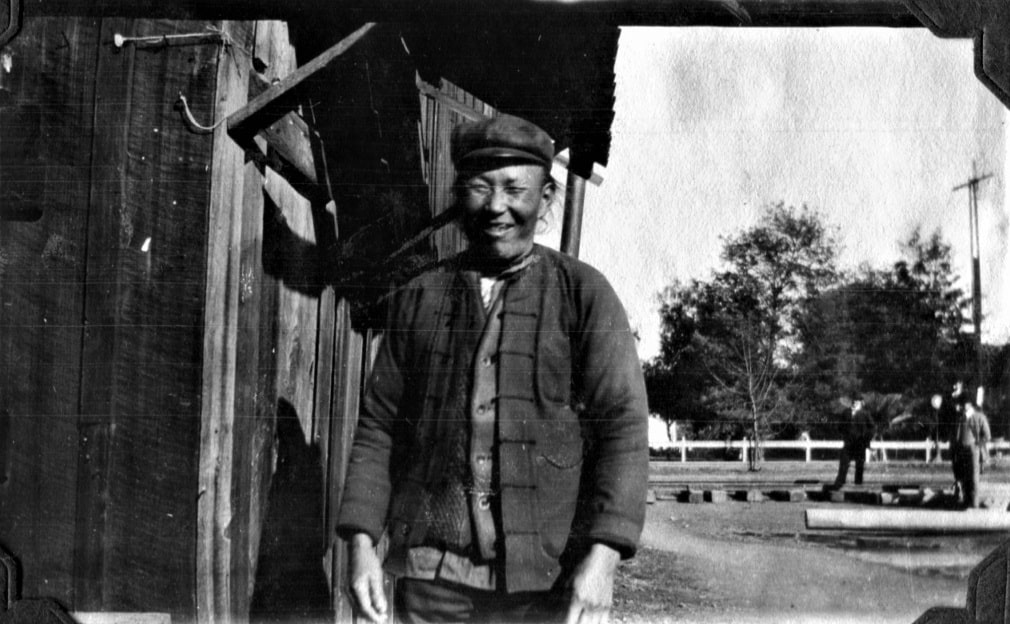
Jack Jue Jr., a retired physician in Sacramento and the great-grandson of a Chinese immigrant named Jue Joe, was also interviewed for the documentary.
Jue Joe immigrated in 1874 from Southern China to the United States to find work. He became a cabin boy on the steamboat that took him from Hong Kong to San Francisco. Jue Joe saved money, thanks to his mother who had given him 16 pounds of rice for the six-week journey.

During the voyage, Jue Joe, who was illiterate, learned rudimentary English, his great-grandson said.
Like other Chinese laborers, Jue Joe found work through Chinese labor contractors, first in Marysville and later in the Napa Valley where he worked in the vineyards. Jue Joe later worked on the railroad between San Jose and Los Angeles as a domestic servant. He was also a potato farmer and worked in real estate in Southern California, according to the blog documenting the family history.
The money Jue Joe had earned allowed him to return to China in 1902, marry and have two sons. Within a few years, he returned to the United States, according to the family.
A younger brother whom Jue Joe had sponsored to immigrate to Los Angeles and work on his potato farm had sold the operation. The man left for Europe, leaving his brother Jue Joe without a source of revenue.
Jue Joe resumed his activities as a potato farmer. In 1918, his wife and his two sons, including Jack Jue Jr.’s grandfather, immigrated to the United States, according to the family.
He later became an asparagus farmer in Van Nuys with the help of US-born friend because discriminatory laws prevented Chinese from owning land.
Jue Joe eventually became known as the “asparagus king” of Southern California.
Jue Joe’s story, his great-grandson, Jack Jue Jr., said after the recent viewing of “Chinese in Napa Valley” in American Canyon is an “American story.”
For information on the Napa County Historical Society, visit napahistory.org.