Hoopes Vineyard may face millions in fines, attorney fees and other costs
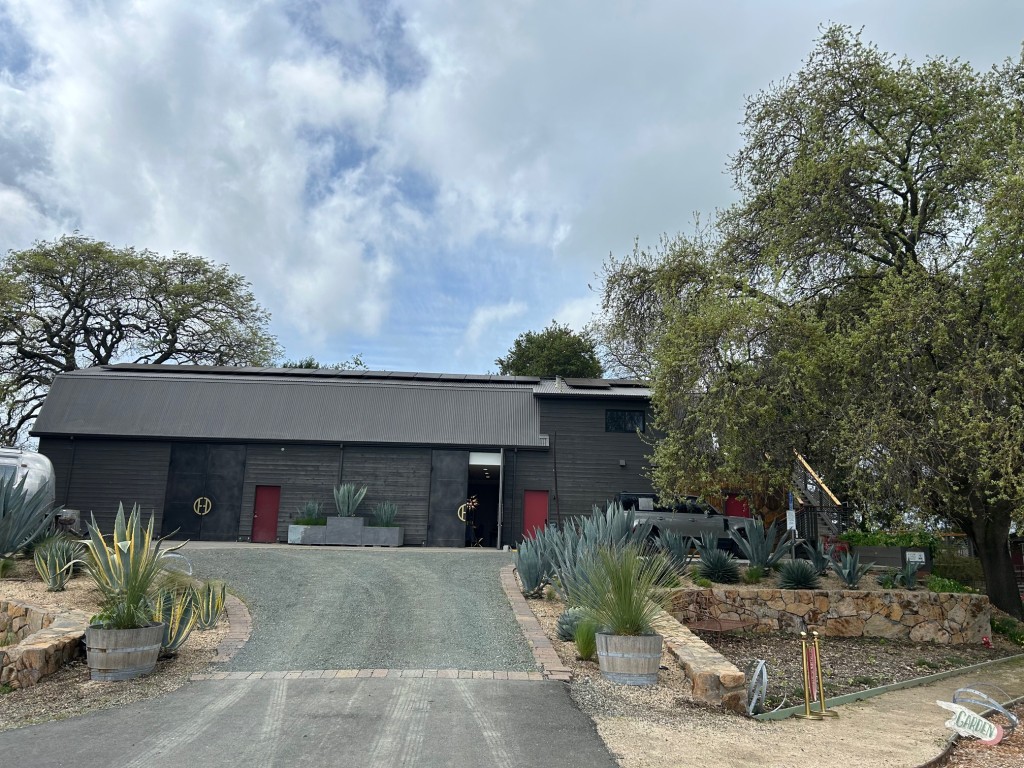
The three-year-old legal battle between Napa County and Hoopes Vineyard over wine tastings and other issues may be wrapping up in state court, with the Yountville-area winery facing millions of dollars in fines, attorney fees and other costs.
Napa County Superior Court Judge Mark Boessenecker oversaw a bench state trial in early 2024 over Hoopes Vineyard’s rights to host wine tastings and other issues. In November 2024, Boessenecker sided with Napa County against the winery.
On Tuesday, Napa County Superior Court Judge Mark Boessenecker heard arguments from Hoopes Vineyard’s seeking a new trial. In a tentative ruling issued last week, Boessenecker said Hoopes was not entitled to a new trial.
No final order was immediately issued Tuesday. The matter was taken under submission.
Boessenecker’s tentative ruling issued Friday also ordered the winery on Washington Street to pay more than $2.2 million in attorney fees and another $111,229 in abatement costs – all costs incurred by the county.
The judge last month imposed a $1.5 million fine on the winery, according to court records.
Owner Lindsay Hoopes on Tuesday said she will appeal the judges’ orders.
Hoopes’ legal journey began in 2022 when Napa County filed a civil complaint against the winery and Hoopes. County officials alleged the winery’s permit did not allow wine tastings. The winery argued it operated within its rights.
Hoopes, a former San Francisco prosecutor whose family has owned vineyards and produced wine in the Napa Valley for years, has been fighting back in state and federal courts.
Boessenecker oversaw the 11-day bench state trial in January and February 2024.
Napa County had originally sought more than $8 million in penalties, attorney fees and other costs.
Hoopes purchased the winery in 2017. The winery operated under a small winery exemption issued in 1984. That permit, which remains with the property, did not allow wine tastings or tours.
Hoopes argued for a new trial, alleging that Napa County had withheld county documents that showed that the winery could host wine tastings by appointment.
A Napa County winery database issued in 2012 and 2015 indicated that Hoopes could host tastings by appointment, according to court filings. Napa County’s representatives told the court the databases were inaccurate.
Hoopes also questioned Napa County’s requested attorneys’ fees and costs, arguing they were too high, according to court filings.
Napa County praised Boessenecker’s tentative ruling issued Friday.
“This ruling reinforces Napa County’s commitment to upholding established land use regulations that ensure a level playing field for all wineries and businesses, while protecting the integrity of the Agricultural Preserve. It validates the County’s code enforcement efforts, affirms that land use laws are enforceable, and underscores the broader importance of protecting public safety, agriculture, and the rule of law,” a Napa County representative wrote in response to the tentative ruling.
Napa County’s agricultural preserve was established in 1968 to preserve the Napa Valley’s agriculture.