Napa County Master Gardeners: The hidden world of mushrooms
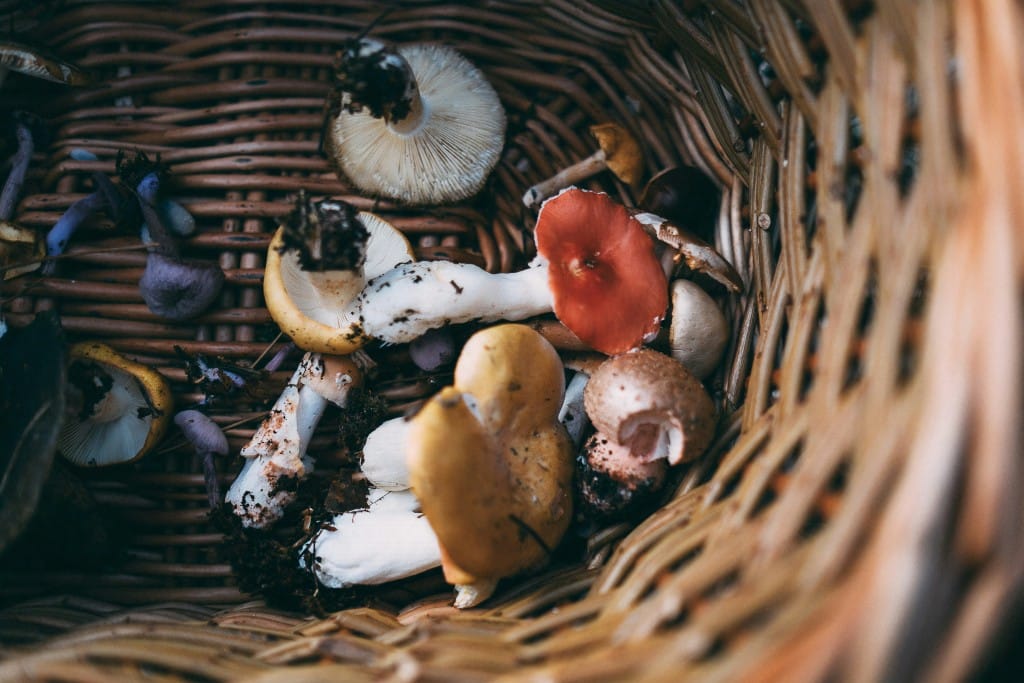
You can expect mushrooms to appear after rain in Napa Valley. Many gardeners find mushrooms and think “rotting decay.” However, mushrooms are a sign of life. They’re the fruiting bodies of fungi, the quiet recyclers that make soil fertile and plant roots healthy. Fungus even makes gardens more resilient to drought and infection.
Beneath our feet, an unseen kingdom is constantly at work. Fungi break down wood, leaves and mulch into nutrients that plants can absorb. They connect roots in a living network, moving water and minerals through the soil. Understanding this hidden world won’t just make us better gardeners, it can change how we see the ground itself.
Under every healthy garden lies a web of white threads called mycelium. These fine filaments spread through the soil like lace, decomposing organic matter and holding moisture. Mycelium connects the roots of plants in what scientists have called the “wood wide web,” an underground network where plants and fungi trade resources and information.
It’s an ancient alliance. Fungi receive sugars from plants and, in exchange, deliver nutrients that plants can’t easily access on their own. Without fungi, soil would quickly lose structure and fertility.
Fungi in your garden generally fall into three ecological categories:
Saprophytes are the decomposers. They feed on dead organic matter like straw, leaves and wood chips, turning waste into dark, rich humus. Most cultivated mushrooms (oyster mushrooms, shiitakes, wine caps and lion’s mane) are saprophytic.
Parasites feed on living plants or trees, often causing decline. Examples would be rust fungus, powdery mildew or root rot. Any mushrooms you see growing on a living tree would be in this category.
Mycorrhizal fungi form beneficial partnerships with plant roots, exchanging nutrients and water for sugars. This category includes edible mushrooms such as porcini and chanterelles.
When you buy a mushroom block to grow at home, you’re growing a saprophyte, a friendly decomposer that has the ability to build your soil while also feeding you. Saprophytic mushrooms are the easiest and most rewarding for gardeners to grow. Oyster mushrooms thrive on straw or compost, while shiitake and lion’s mane grow well on hardwood logs of oak. As these mushrooms feed, they transform organic matter into humus that enriches your soil. Once they finish their meal, they fruit and produce a mushroom for you to eat. Growing these mushrooms is like running your own compost system that also happens to produce dinner.
Wine cap mushrooms (Stropharia rugosoannulata) grow easily here in wine country. Deep burgundy caps and thick white stems make them easy to ID. Wine caps are both ornamental and edible, an ideal mushroom for garden beds. Wine caps are vigorous decomposers that thrive in shaded garden areas layered with straw or wood chips. Their mycelium spreads through the mulch, breaking it down into dark, crumbly soil while improving moisture retention and supporting beneficial microbes.
To grow wine cap mushrooms, spread three to four inches of wood chips or straw in a shaded bed. Mix in chunks of mycelium or spawn in spring or fall. Keep the bed evenly moist, not soggy. Harvest when burgundy caps appear, usually within a few months.
Some fungi don’t make mushrooms at all. Endomycorrhizal fungi, also called arbuscular mycorrhizae, live entirely underground and inside the root cells of plants. Their name says it all: endo means “inside” and mycorrhizal means “fungus-root.”
Inside plant roots, they form structures called arbuscules for nutrient exchange, and vesicles which are a bit like tiny storage sacs. These fungi exchange water, minerals and sometimes sugars directly with plants.
Because they depend completely on living roots, endomycorrhizal fungi never form mushrooms. Instead, they reproduce through microscopic spores that can lie dormant in soil for years, waiting for a root to pass by. Once contact is made, they awaken.
Endomycorrhizal fungi are also natural protectors; think of them as living armor for your plants. By colonizing root cells, they block pathogens such as Phytophthora from invading. Thankfully, many organic fertilizers and soil inoculants now include mycorrhizal spores.
Ectomycorrhizal fungi grow around roots rather than inside them. These include some of the world’s most beloved gourmet species: truffles, chanterelles and porcini. They rely on living trees such as oaks, pines and hazelnuts.
Truffle farmers use this partnership deliberately. They inoculate oak or hazelnut seedlings with truffle spores, plant the seedlings and wait patiently—often a decade or more—for the underground relationship to mature. The eventual harvest is a reward for years of cooperation between tree and fungus.
Fungus should remind us that the real magic of gardening happens below ground. From invisible mycorrhizal fungi nourishing roots to wine cap mushrooms transforming mulch, they recycle, connect and protect while quietly maintaining the life that sustains almost every plant.
So, the next time mushrooms appear after a rain, don’t pull them out. Welcome them. They’re proof that your soil is alive and that your garden is part of something much larger and far more complex than we can see.
Library Talk: Join UC Master Gardeners for a free talk on “Growing Garlic, Onions, and Other Alliums” on Thursday, Nov. 6, from 7 to 8 p.m. via Zoom. Garlic can be planted as we enter the darkest time of year; other alliums get planted throughout the seasons. Register here to get the Zoom link.
Help Desk: The Master Gardener Help Desk is available to answer your garden questions on Mondays and Fridays from 10 a.m. until 1 p.m. at the UC Cooperative Extension Office, 1710 Soscol Ave., Suite 4, Napa. Or send your questions to mastergardeners@countyofnapa.org. Include your name, address, phone number and a brief description of the problem.