Napa County Master Gardeners: Wattles, swales and other ways to keep rainwater in your yard
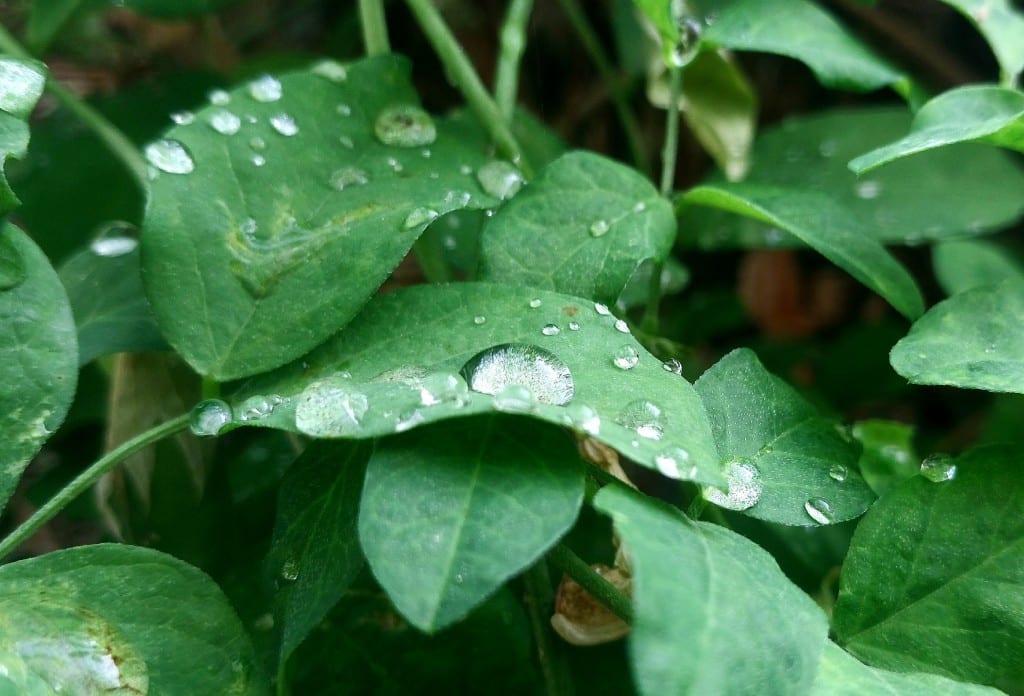
When our first fall rains arrive, we gardeners breathe a sigh of relief. We need this moisture, and so does the soil after the long, hot dry spell of summer.
Our fall and winter rain is precious, but home builders and engineers have worked hard to move our rain into drains and gutters, channeling it into the streets to be diverted into canals, creeks and rivers that lead to the ocean. The rain that cleanses our roofs, streets and driveways also carries pesticides and pollutants that contaminate our rivers and oceans.
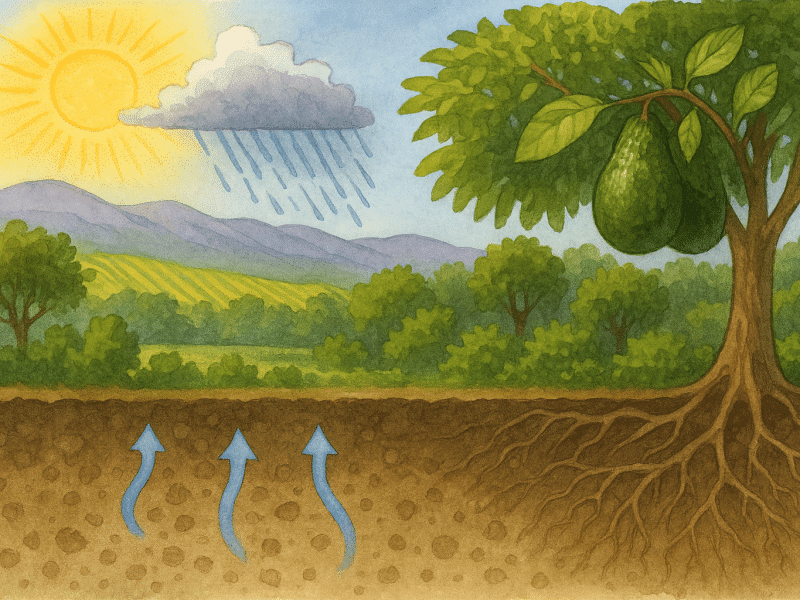
Finding ways to keep that water on our properties will help nourish the soil and the plants and microorganisms that live there. As the water moves deeper into the soil, pollutants are filtered out and our aquifers are recharged.
Let’s explore some ways to “slow, spread and sink” the rain that will add beauty to our yards as well as make them more resilient to the whims of climate.
First, minimize bare ground. Keep something growing in your soil all the time. Plant roots make channels in the soil, allowing air, water and nutrients into that dark space that is filled with life. If you have a slope in your yard that causes erosion and loss of topsoil, you can address the problem with plants, particularly deep-rooted grasses and perennials that remain in the ground year after year.
Using rock as a buffer at the edges of your property, where water runs into the street or driveway, will slow that water and help it sink in. I have seen round river rock of varying sizes used in a flowing, undulating design that is appealing.
Terraces come in many forms and will help keep the rain and soil in place during storms. One simple approach employed on many upvalley landscapes is the use of straw-filled, 25-foot-long wattles. These can be “planted” on hillsides in rows following the contours of the land. They need to be laid in trenches deep enough to hold them in place but still allow them to rise above ground level.
If you do lay down wattles, stake them every 4 feet right through the middle. Pack dirt and rock on both sides to slow the rush of water downhill and to catch any water that might be escaping from underneath. You can plant both the upper and lower sides of the wattle to camouflage it and take advantage of the moisture that it traps.
If your slope is steep, you may need the help of an engineer to construct a more complex terrace. Some terraces are made of “urbanite” (recycled concrete from roads and sidewalks), which can be quite attractive.
Using permeable materials for walkways, patios and driveways will allow water to sink into the ground. Another approach is to use impermeable materials like bricks, stone slabs or pavers but leave ample space between those materials to allow the rain to infiltrate. Walkways made of small stones can be uncomfortable, but if you place stone slab pavers in the middle, you allow water to penetrate and make walking on the path a lot easier on the feet.
A rain garden is a passive collector of rain and not complicated to construct. It is essentially a shallow basin about 6 inches deep, of any size, in a low spot in your yard. It should be situated no closer than 10 feet from any structure and 5 feet from your property line. Avoid placing it on top of underground utilities and septic systems or near large trees.
Locate your rain garden in an area where water percolates well. (Check YouTube for a demo on how to do a simple perk test.) If you can, position your rain garden near a roof downspout or along a sloped, rock-lined pathway. With an extension to your downspout, you can help irrigate your rain garden.
Generally, rain gardens are placed on level land and surrounded with berms. They can be any shape or size that suits your space. Dig 6 inches below the basin to loosen the soil and mix in 3 inches of compost. Plant your rain garden with California natives that tolerate our wet winters and dry summers.
A swale is similar to a rain garden, but it moves rain in a shallow, sloped channel that is slightly bermed on both sides, letting gravity do the work. The purpose of a swale is to move water away from structures, perhaps even guiding it to a rain garden. Swales can be lined with river rock, grasses or other vegetation. Both swales and rain gardens filter and clean the runoff as it slowly sinks into the soil.
Barrels and cisterns harvest rain and store it for future use. Some larger systems can hold quite a lot of water as containers can be linked together and attached to a pump. The Napa Resource Conservation District and the city of Napa Water Department can provide more information on constructing swales and rain gardens and using barrels and cisterns for rain capture.
We can keep more rain on our properties by changing how we view this precious resource, making a positive difference in the vitality of our landscapes.
Help Desk: The Master Gardener Help Desk is available to answer your garden questions on Mondays and Fridays from 10 a.m. until 1 p.m. at the UC Cooperative Extension Office, 1710 Soscol Ave., Suite 4, Napa. Or send your questions to mastergardeners@countyofnapa.org. Include your name, address, phone number and a brief description of the problem.