Napa judge declines to vacate million-dollar judgement against Hoopes, winery remains open
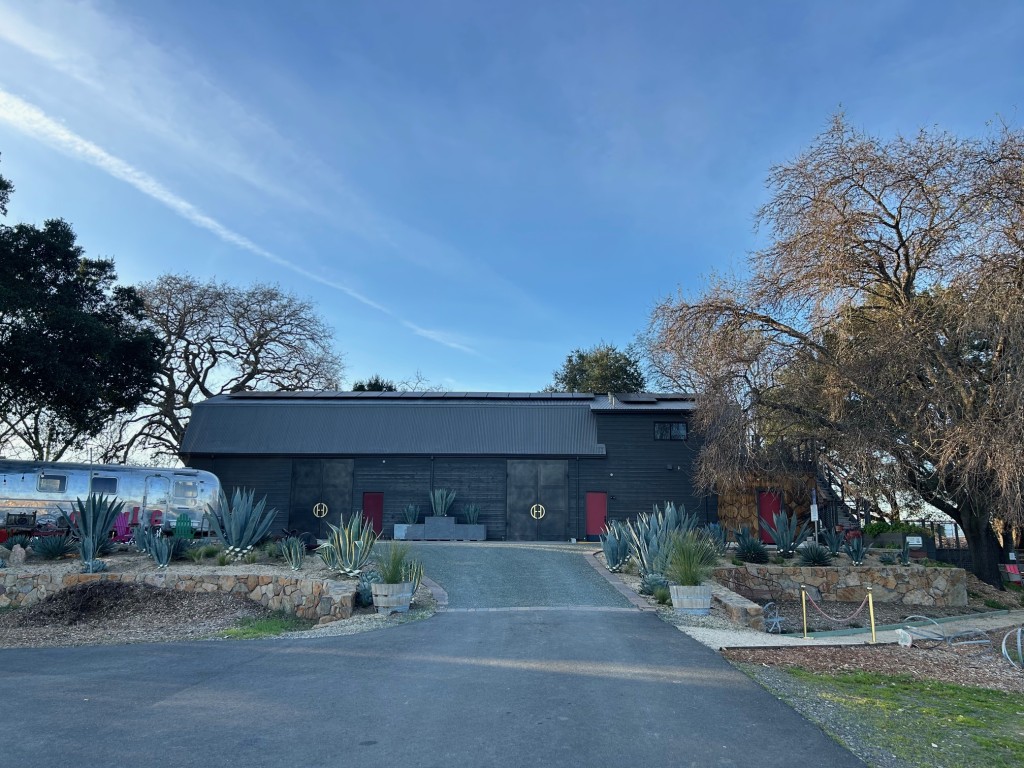
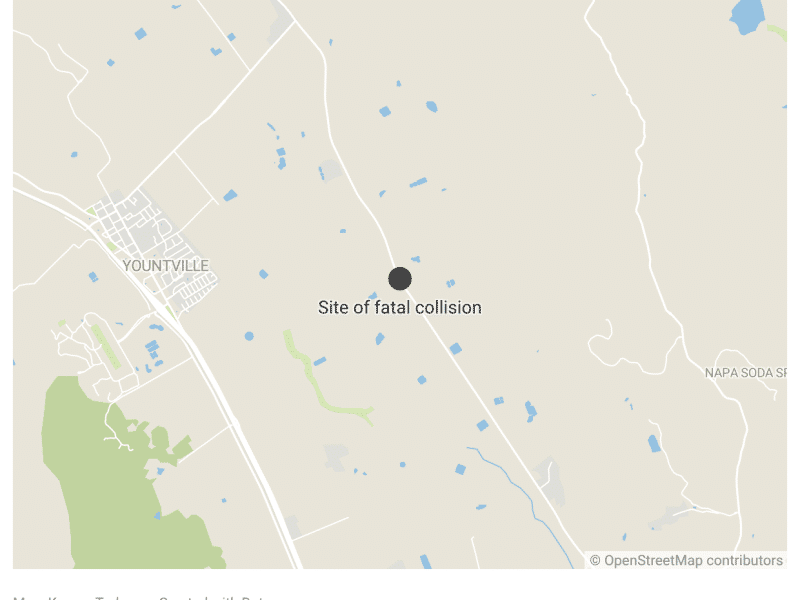
A Napa County Superior Court judge has declined to throw out a nearly $4 million judgment against a family-owned winery near Yountville for operating outside the terms of its entitlements, according to court records. In the meantime, Hoopes Vineyard remains open to the public.
Napa County Superior Court Judge Mark Boessenecker on Friday sided with Napa County and denied the Hoopes family’s efforts to vacate the judgment.
Boessenecker, however, also paused enforcement of the $3.9 million judgment against Hoopes until April 9. Hoopes’ attorneys plan to ask the appellate court to extend that stay. The amount includes $2.25 million in attorney fees and $1.5 million in fines.
The Hoopes case is under appeal before the First District Court of Appeal in San Francico.
This is the latest chapter in the nearly 4-year-old legal fight between Napa County and Hoopes Vineyard LLC, Hoopes Family Winery Partners, LP and owner Lindsay Blair Hoopes, a former San Francisco prosecutor.
Napa County in 2022 sued Hoopes in Napa County Superior Court over unpermitted wine tastings, tours, an animal sanctuary, retail sales and other allegations. In response, the Hoopes have argued, among other points, that Napa County’s rules were inconsistently applied and that the winery had all the necessary permits.
An 11-day bench trial took place early 2024, resulting in Hoopes being held liable as a public nuisance. The $3.9 million judgment was issued in November.
Hoopes’ attorneys have sought to vacate the judgment, arguing the fines imposed on Hoopes were excessive and that the court has failed to assess their client’s ability to pay.
“The nearly $4 million that have been imposed here are a death sentence” to the Hoopes business, Bridget Conlan, an attorney with the Pacific Legal Foundation, told the court on March 25.
Hoopes’ attorneys have argued the fines violate the Excessive Fines Clause of the U.S. and California constitutions, which limits excessive fines.
“Imposing crippling, business-ending fines under these circumstances is unreasonable and unjust. The punishment needs to fit the crime; $3,960,013.05 does not meet that standard,” Hoopes’ lawyers said in a court filing earlier this year.
Attorneys for Napa County strongly objected, saying the fines were not excessive and that a hearing on the defendant’s ability to pay was not required. They also noted that attorney fees included in the judgment are not subject to the Excessive Fines Clause.
The Hoopes have refused to provide financial information, Geoffrey Spellberg, an attorney with Renne Public Group who represents Napa County said in court on March 25.
Aryeh Kaufman, another attorney for Hoopes, told Boessenecker his client has not been able to find secure a bond around the judgment pending the resolution of the appeal. Appellants are required to secure bonds in case their appeal fails. Boessenecker on Friday declined to waive that requirement.
In the meantime, the winery can continue to operate while the case is under appeal, Boessenecker ruled.
Attorneys for the Pacific Legal Foundation, known for its property rights work, in February filed the motion to vacate the judgement.
“Although we disagree that the court sufficiently considered the Excessive Fines Clause and ability to pay we are pleased that the judge stayed enforcement of the injunction, and enforcement of the fines at least temporarily,” Conlan said Monday.
“The judge stayed enforcement of the fines until April 9 but we plan to request that the appellate court further stays enforcement,” Conlan said.
A representative for Napa County said on Tuesday the County will “follow the Court’s direction as the process moves forward.”
The Hoopes family acquired the former Hopper Creek Winery in August 2017. Renovations were completed in 2017-2018, according to court filings.
The winery near Hopper Creek operated with a small winery certificate of exemption issued in 1984. The permit did not allow visitors, tours or public tastings, according to court filings.
Hoopes inquired about a use permit in order to have wine tastings and visitors but decided the necessary upgrades would be too costly and abandoned them, according to court records. A consultant estimated the improvements would have cost $500,000 to $1 million, according to court filings.
About 30 Napa wineries operate under a small winery certificate of exemption.