Napa wine industry relies on Latino workers but public immigration stances remain off-limits amid fears of Trump targeting
Lee esta historia en español y más noticias locales, suscríbete a nuestro boletín Conéctate Napa County.
“The way the world is divided right now it’s very difficult to take a stand on an issue like immigration,” said Michael Honig, president of Napa’s Honig Vineyard and Winery. “You are going to offend someone either way and, as a family winery, we just can’t take the risk.”
Many Napa County wineries that employ and benefit from a majority Latino workforce have chosen to remain silent on the immigration raids that have reached a fever pitch nationally. Some cite fear of being targeted by the Trump administration and risking their brand likeness. “I think the wine industry groups are the ones that can take a lead in this… they would not be damaged like a brand,” Honig said.
Napa County Times reached out to 50 Napa winery executives over a three-month period. Just one agreed to go on the record, while the rest who responded asked to remain anonymous, citing concerns about being singled out or attacked by the Trump team.
Paul Wagner, an industry insider who lectures about wine both at Napa Valley College and international gatherings, recounted what many executives have told him. “(They say) ‘I don’t want to talk to a reporter and I don’t want to be quoted because it’s quite clear that this administration is vindictive and anyone who stands up and takes a highly visible position against this administration, is just asking for somebody in ICE or the Department of Justice to suddenly launch an investigation and make their lives miserable.’”
The veil of fear in the vineyards now hangs over everyone from executives to field workers and is growing heavier with time.
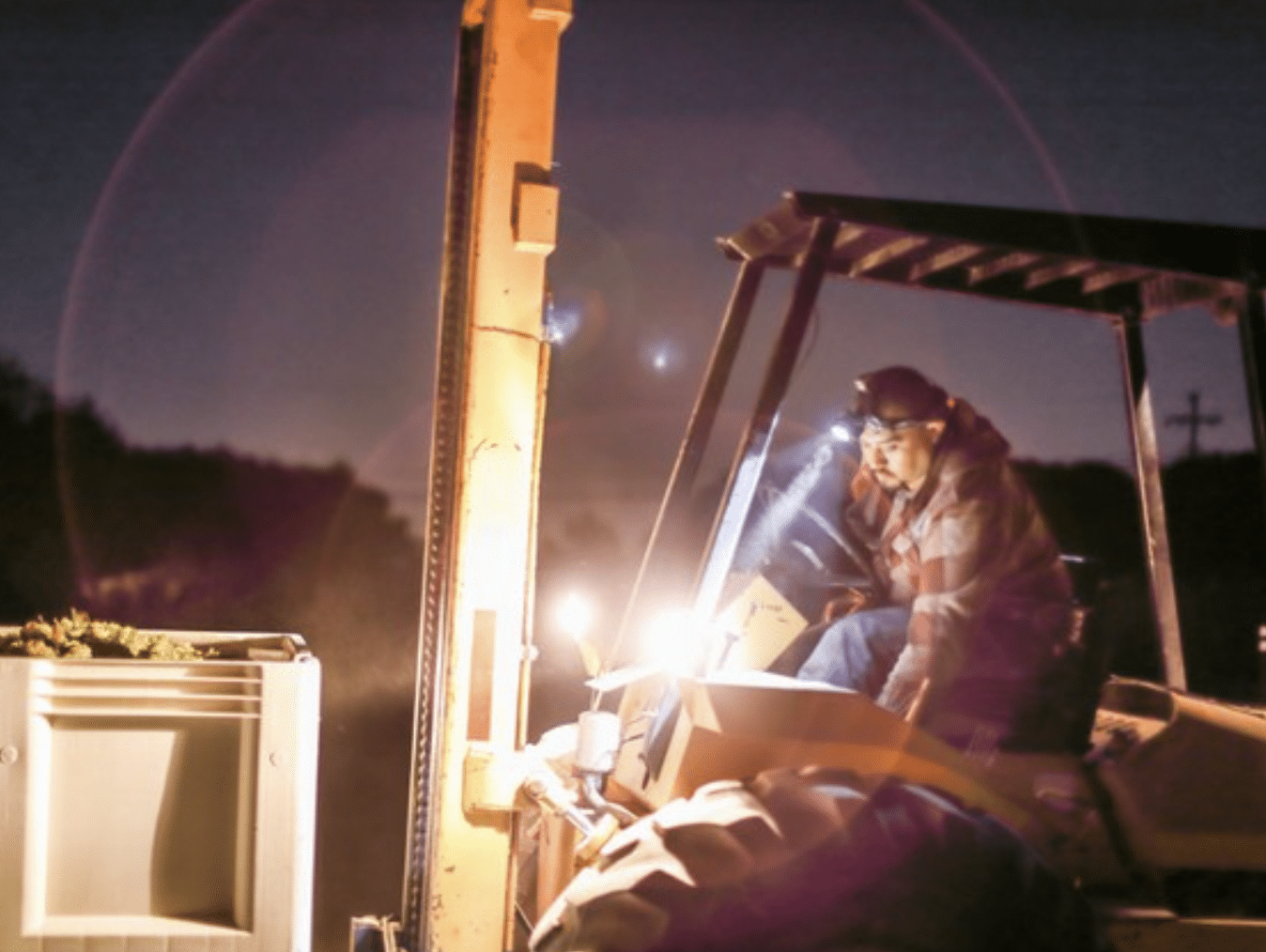
Wagner also recounted a troubling shift shared by a winery owner who explained that normally all field workers wear bright orange safety vests to ensure visibility and protection while working in the vineyard during the night and day. “But now, nobody wants to wear them,” Wagner said. “If a raid were to happen, they don’t want to stand out. Even if they’re legal, even if they have all their paperwork, a green card, or are U.S. citizens, with the way things are going, there’s still a chance they could be arrested and taken away. They just don’t want to risk it.”
Many workers said they refuse brightly colored safety gear, fearing it could prevent them from slipping away unnoticed if ICE were to show up at the vineyards.
Under the second Trump administration, in the first four months of 2025 there were 109,000 United States Immigration and Customs Enforcement (ICE) arrests of U.S. citizens and non-citizens nationwide, according to the Center for Immigration Studies.
In June, immigration raids spread across California’s farming regions from Oxnard to the San Joaquin Valley. In one incident, a man died after fleeing in fear from a raid at a Southern California Home Depot.
“The ability to replicate what’s been done in Los Angeles and Southern California in other parts of the country is very real,” said Juan Ortiz, co-regional directing attorney at the Immigration Institute of the Bay Area. The organization — the largest nonprofit provider of immigration legal services in Northern California — operates seven offices across six counties.
California produces more than 80% of all the wine made in the United States.
According to a 2021 to 2022 Department of Labor survey, 68% of agricultural workers are foreign born, and an estimated 42% are undocumented.
With such a large share of the workforce made up of immigrants, the industry has faced growing pressure to respond. One group that has taken a public stance is the Wine Institute, a public policy advocacy organization representing more than 1,000 California wineries and affiliated businesses.
“Wine at its core, is about people,” Wine Institute president and CEO Robert P. Koch said in a statement to the Napa County Times. “The Latino workforce is integral to every step of our industry’s success. Their safety, dignity and opportunity are not only moral imperatives, they are also essential to the future of wine.”
Earlier this summer, a delegation of vintners traveled to Washington, D.C., to meet with lawmakers on a range of critical issues facing the wine industry, Koch said. Among them was the need to support the agricultural workforce through comprehensive reforms like the Farm Workforce Modernization Act of 2025, which aims to provide a pathway to legal status for certain undocumented farmworkers and reform the H-2A agricultural guest worker program.
The Napa Valley Vintners, one of the most powerful wine trade groups, represents more than 500 wineries. The nonprofit promotes and protects the Napa Valley appellation while helping wineries navigate production challenges and supporting the wine workforce.
“We’ve made sure that everybody knows their rights and empowered wineries and our members, with information to share with their workforce,” said Rex Stults, Napa Valley Vintners’ vice president of industry relations.
“This is a priority item for us, and it always has been, but certainly even more so now, given the circumstances in our country.”
The Napa Valley Vintners played a key role in funding OLE Health, Napa County’s primary provider of medical care for low-income and uninsured residents, including many farmworkers, as well as farmworker housing initiatives to provide affordable living conditions for vineyard workers.
In Napa Valley, local nonprofits have become a vital lifeline for the region’s largely Latino workforce.
The Napa Valley Community Foundation, for instance, has hosted more than 60 “know-your-rights” seminars, reaching more than 2,000 people across the valley. It also provides significant funding to other key organizations, including the grassroots nonprofit Puertas Abiertas and the Immigration Institute of the Bay Area.
“We are going to work and hoping for the best,” said one vineyard worker who requested anonymity.
“It feels like the immigration raids have calmed a bit for now, but my family and I are not letting our guard down.”